
I still remember the knot in my stomach every time my father, a stubborn 72-year-old with heart failure, didn’t answer his phone. Was he just gardening? Or had his fluid levels spiked again, landing him in the emergency room?
For millions of families, this low-level anxiety is just a part of daily life. But it doesn’t have to be.
The “old way” of medicine where we wait until we are sick to see a doctor is fading. In its place, a quiet revolution is happening right in our living rooms. It’s called Remote Patient Monitoring (RPM), and it is fundamentally changing how we treat chronic illness.
This isn’t just about cool gadgets; it’s about saving lives. Let’s dive into why this shift is happening and the specific benefits of remote patient monitoring for you and your loved ones.
What is Remote Patient Monitoring (RPM)?
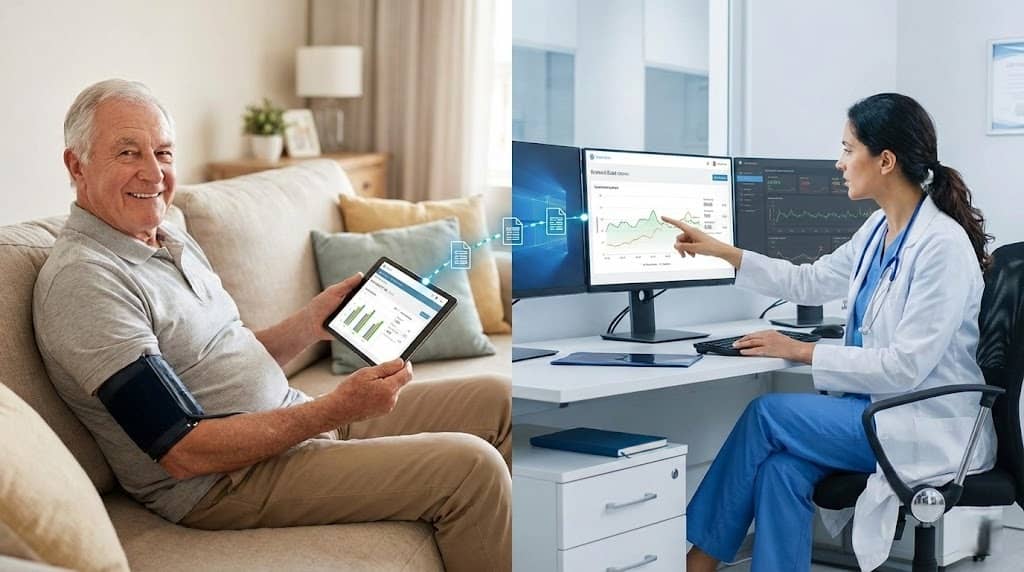
In simple terms, RPM uses digital technology to gather medical data from a patient in one location (like their home) and securely transmits it to a healthcare provider in another.
Think of it as a digital safety net. Instead of getting a “snapshot” of your health once a year at a check-up, your doctor gets a “movie” a continuous stream of data that tells the real story of your health.
Common examples include:
- Bluetooth Blood Pressure Cuffs: That automatically send readings to a cardiologist.
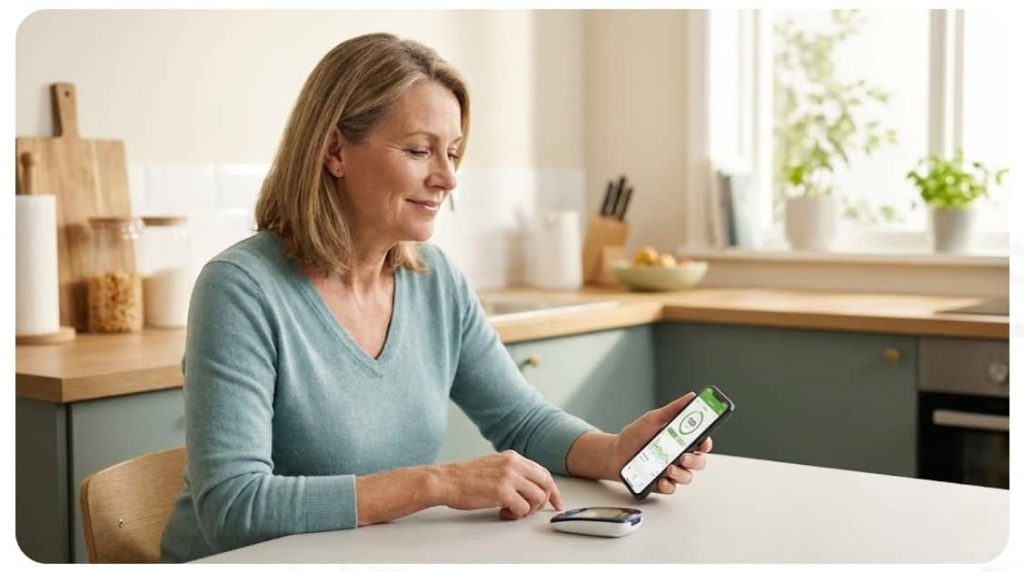
- Smart Glucometers: Helping diabetics track blood sugar trends without manual logging.
- Weight Scales for Heart Failure: Detecting fluid retention before it becomes critical.
The Key Benefits of Remote Patient Monitoring
Why is the medical world buzzing about this? Because the benefits of remote patient monitoring go far beyond just convenience. They represent a win-win for patients, doctors, and the entire healthcare system.
1. For Patients: Empowerment and Peace of Mind
Let’s be honest: sitting in a sterile waiting room for 45 minutes just to have your blood pressure taken is a pain. One of the biggest advantages of home health monitoring is that it gives you your time back.
But it’s more than that. It’s about patient empowerment. When you see your own health data in real-time, something clicks. You start to understand why you need to take that medication or how that salty meal affected your blood pressure. You aren’t just a passenger in your healthcare journey anymore; you’re the driver.
“It feels like having a doctor in my pocket. I don’t panic anymore because I know someone is watching out for me.” Sarah, a diabetic patient using RPM.
2. For Providers: Data-Driven Decisions
Doctors often have to play detective with incomplete clues. RPM changes the game by providing continuous health data. This allows physicians to spot trends like a slow creep in blood pressure and intervene before a stroke happens. It’s the difference between putting out a fire and preventing the spark.
Of course, RPM is most powerful when patients already understand what physical changes matter. Many of the silent body signals of serious illness that RPM devices can detect persistent fatigue trends, heart rate irregularities, weight fluctuations are the same early warning signs that patients can recognise themselves, long before any device flags them. Knowing both sides of that equation gives you a meaningful edge.
3. For the System: Cutting Costs, Not Care
The numbers don’t lie. RPM cost savings are massive because they drastically reduce unnecessary hospital readmissions. By catching issues early, we keep patients out of the ER, freeing up beds for those who critically need them.
RPM in Action: Managing Chronic Conditions
The real magic happens when we apply this technology to specific diseases.
- Diabetes Management: Gone are the days of guessing. Real-time glucose tracking allows for micro-adjustments in insulin, keeping levels stable and preventing dangerous crashes.
- Hypertension (High Blood Pressure): We’ve all heard of “White Coat Syndrome” where your BP spikes just because you’re nervous at the doctor’s office. Home blood pressure monitoring gives a true, resting reading, ensuring you aren’t over-medicated.
- Heart Failure: For these patients, gaining 3 pounds in a day can be a sign of fluid overload. RPM scales trigger an alert immediately, allowing a nurse to call and adjust diuretics instantly.
Monitoring works best when patients also screen between device readings. Here is a practical look at the home testing kits doctors actually trust for conditions like hypertension and diabetes.
The Future of RPM: AI and Predictive Analytics
Here is where things get really sci-fi. The future isn’t just about monitoring; it’s about predicting.
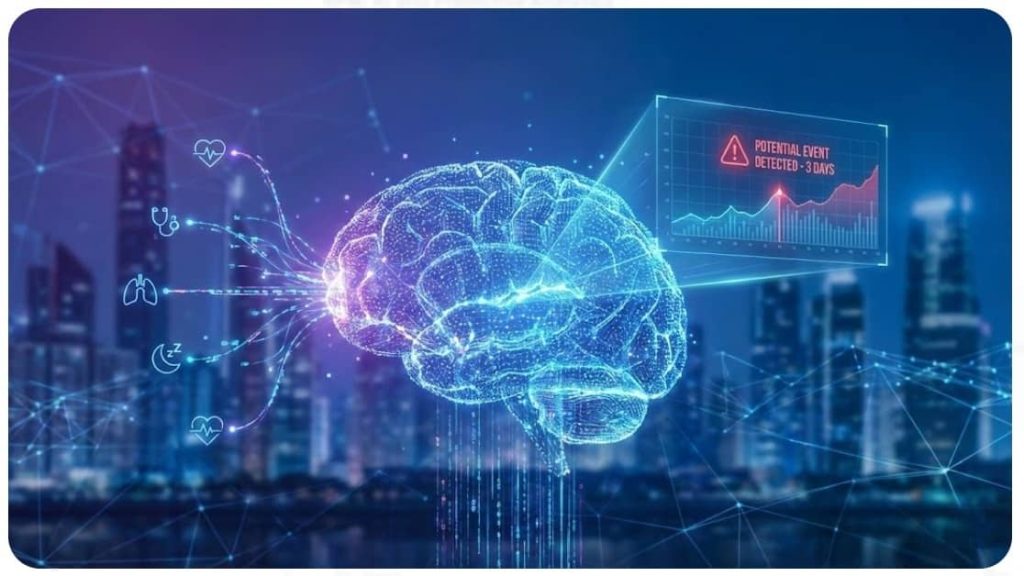
Imagine an AI system that analyzes your heart rate variability and sleep patterns to predict a heart attack three days before it happens. This isn’t a dream; it’s the next phase of AI in healthcare. We are moving toward a “Hospital at Home” model, where even acute care can be delivered safely in your bedroom.
Challenges to Adoption
Of course, it’s not all smooth sailing. We have to talk about data privacy in healthcare. Ensuring your health data is encrypted and HIPAA-compliant is non-negotiable. Furthermore, we must ensure technology enhances the human connection, not replaces it. A smart watch can measure your pulse, but it can’t hold your hand when you’re scared.
The benefits of remote patient monitoring are clear: better health, lower costs, and less anxiety. It turns healthcare from a reactive “fix-it” service into a proactive partnership. Remote monitoring works best when paired with personal awareness of body warning signs of disease that appear before any device detects an anomaly.
If you or a loved one are managing a chronic condition, don’t wait for the future to come to you. Ask your healthcare provider if an RPM program is right for you. It might just be the best decision you ever make for your health.